

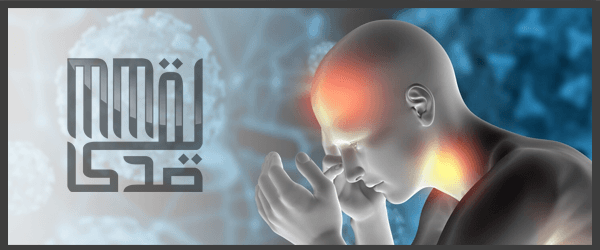
Radiation sickness syndrome is damage to your body brought on by a high radiation dose, frequently administered over a brief period of time, is known as radiation sickness (acute). Your level of illness is determined by the amount of radiation your body absorbs, called the absorbed dosage.
Other names for radiation illness include radiation poisoning, acute radiation syndrome, and radiation sickness. Radiation sickness is not brought on by routine low-dose radiation exposures like CT or X-ray exams.
Radiation illness is uncommon despite being dangerous and frequently fatal. The majority of radiation sickness cases since the atomic bombings of Hiroshima and Nagasaki, Japan, during World War II have resulted from nuclear industrial accidents, such as the Chernobyl nuclear power plant fire in 1986 or the 2011 earthquake that damaged a nuclear power plant on Japan’s east coast.
Symptoms:
The amount of radiation you’ve absorbed determines how severe your radiation sickness symptoms are. The intensity of the radiated energy and the distance from the radiation source determine how much you absorb. The type of exposure, such as full or partial body, internal or exterior contamination, and the degree of radiation sensitivity of the affected tissue, all influence signs and symptoms. For example, the bone marrow and gastrointestinal tract are extremely vulnerable to radiation.
Dosage absorbed and exposure time:
A gray (Gy) is the unit used to measure the radiation dose absorbed. Radiation-based diagnostic procedures, like X-rays, produce a little radiation dosage, usually much below 0.1 Gy, that is concentrated on a few organs or a small amount of tissue.
When the body is exposed to an absorbed dose of at least 1 Gy, radiation sickness symptoms typically manifest. Depending on the dose and length of exposure, doses more than 6 Gy to the entire body are typically incurable and result in death within two days to two weeks.
First symptoms and indicators:
Nausea and vomiting are typically the first symptoms of radiation sickness that can be treated. A person’s radiation exposure level can be determined by measuring the interval between exposure and the onset of these symptoms.
A person with radiation sickness may experience a brief period of no apparent illness following the initial wave of signs and symptoms, after which new, more severe symptoms may appear.
Generally speaking, the more radiation you are exposed to, the faster and more severe your symptoms will be.
Early signs of radiation illness * Low exposure levels (1-2 Gy) Moderate radiation exposure (2–6 Gy) Extreme exposure (6–8 Gy) Extremely high exposure (8–10 Gy or more) Vomiting and nausea Six hours, two hours, one hour, and ten minutes Diarrhea: 8 hours, 3 hours, and 1 hour Headache: 24 hours, 4 hours, and 2 hours Fever: Within three hours, within one hour, within one hour Radiation illness symptoms later on Dizziness and disorientation within a week Fatigue and weakness within 4 weeks within 1-4 weeks within 1 week immediately Low blood pressure, infections, poor wound healing, hair loss, bloody vomit and stools—all within one to four weeks.
When to consult a physician:
There would undoubtedly be a great deal of public worry and attention if an accident or attack resulted in radiation poisoning. If such an incident does place, keep an eye on broadcasts on the radio, television, or internet to find out local emergency protocols.
Seek emergency medical attention if you are aware that you have been exposed to radiation.
Reasons:
The energy that atoms release as a wave or a small particle of matter is known as radiation. Exposure to high radiation doses, such as those obtained after an industrial accident, can result in radiation sickness. Radiation sickness is not brought on by routine low-dose radiation exposures, like X-ray exams.
Treatments by Homeopathic:
Highly diluted ingredients are used in homeopathic medicines for radiation therapy support with the goal of reducing side effects related to cancer radiation treatment. Radiation therapy is a necessary and successful cancer treatment, but it can cause side effects like exhaustion, gastrointestinal problems, and skin damage. Belladonna, Ledum palustre, sulfur, and calendula are just a few of the homeopathic treatments that have been suggested to alleviate these symptoms.
For example, Ledum palustre is suggested for puffy, cold skin, while belladonna is historically used for red and hot skin disorders. Even while homeopathy has anecdotal support, scientific studies, such as a controlled trial for patients with breast cancer, have not demonstrated any appreciable advantages in lowering radiation therapy side effects in those receiving homeopathic remedies as opposed to a placebo.
While some patients may turn to homeopathic remedies to alleviate their symptoms, it is crucial to remember that these treatments should not be used in place of traditional medical therapies; rather, they may be used in addition to them.
Scientific Assessments of Homeopathic Treatments:
Similar to a bad sunburn, radiation therapy can result in serious skin damage. The potential advantages of homeopathic treatment for lessening the intensity of this side effect were assessed in a ten-week, double-blind, placebo-controlled experiment involving sixty-one women with breast cancer.