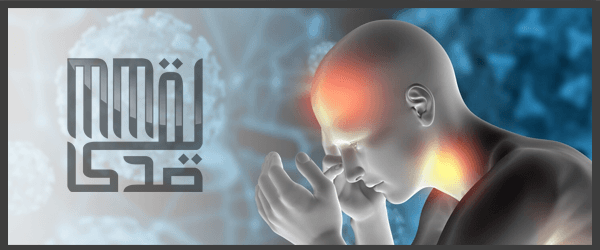
The Nipah virus, often known as NiV, is an uncommon but dangerous virus that mostly affects humans and animals. It’s crucial because, while their rarity, breakouts can be dangerous and even deadly. Nipah virus is a bat-borne, zoonotic virus that causes Nipah virus infection in humans and other animals, a disease with a very high mortality rate. Numerous disease outbreaks caused by Nipah virus have occurred in South East Africa and Southeast Asia. First identified in 1998–1999 during an outbreak in Malaysia.
The natural reservoir is fruit bats (flying foxes). Most outbreaks have occurred in Bangladesh, India, and Malaysia (earlier outbreaks), Infection with Nipah virus can cause mild to severe disease, including encephalitis and potentially death. People with Nipah are usually sick for 3-14 days with fever, headache, cough, sore throat, and difficulty breathing. Later in the course of infection, the patient may get sicker and experience encephalitis.
It can spread from person to person and from animals to humans, and there is no known treatment. With a 50–70% fatality rate and no known treatment, the Nipah virus is a serious infectious disease. Fruit bats carry the nipah virus, which can sicken humans and other animals. The Nipah virus is contagious. Nipah epidemics occur practically every year in portions of Asia, particularly in Bangladesh and India. Between 40% and 70% of Nipah patients pass away.
For the majority of individuals, the answer is no, unless you work in healthcare or animal care or are in or visiting an outbreak area. However, due to its extreme severity, public health authorities keep a tight eye on it.
Nipah vs COVID-19 vs Ebola
| Feature | Nipah Virus | COVID-19 | Ebola |
|---|---|---|---|
| First identified | 1998 (Malaysia) | 2019 (China) | 1976 (Africa) |
| Natural host | Fruit bats 🦇 | Likely bats (origin debated) | Fruit bats 🦇 |
| Main spread | Animals → humans, close human contact | Airborne droplets/aerosols | Direct contact with body fluids |
| Human-to-human spread | Yes (limited but dangerous) | Very high | High |
| Main organs affected | Brain 🧠, lungs | Lungs 🫁, multiple organs | Whole body, blood vessels |
| Key severe illness | Encephalitis (brain inflammation) | Pneumonia, ARDS | Hemorrhagic fever (bleeding) |
| Fatality rate | 40–75% ⚠️ | ~1% (varies) | 25–90% ⚠️ |
| Vaccine available | ❌ No (under development) | ✅ Yes | ✅ Yes |
| Pandemic potential | Low–moderate (watched closely) | Very high (already happened) | Low |
How it differs from COVID-19
- COVID spreads much faster, even from people with no symptoms
- Nipah spreads through close contact, not airborne like COVID
- COVID is usually milder; Nipah is far deadlier
- COVID vaccines exist; Nipah vaccines are still in trials
👉 COVID = fast & global
👉 Nipah = rare but deadly
🩸 How it differs from Ebola
- Ebola causes bleeding and shock
- Nipah causes brain inflammation
- Ebola outbreaks are more visible and dramatic
- Nipah symptoms can start mild, then suddenly worsen
- Both have high fatality, but Ebola spreads more efficiently once outbreaks begin
Why WHO sees Nipah as a pandemic threat
- Very high death rate
- Nipah kills 40–75% of infected people
- That’s far higher than COVID and similar to Ebola
- A virus this deadly spreading widely would be catastrophic
1️⃣ Avoid raw date palm sap
This is the #1 known risk in Bangladesh & parts of India.
❌ Don’t drink fresh/raw date palm sap
❌ Avoid sweets or drinks made from unboiled sap
✅ Only consume sap if it’s properly boiled or processed
🦇 Fruit bats often contaminate sap with saliva or urine.
2️⃣ Wash & peel fruits carefully
Wash fruits thoroughly with clean water
Peel fruits before eating
❌ Don’t eat fruit that:
Has bite marks
Fell on the ground
Looks partially eaten
Especially important for mangoes, bananas, guavas.
3️⃣ Avoid sick animals
Stay away from sick pigs or livestock
Don’t handle animals that died suddenly
Farmers & animal handlers should use gloves and masks
If animals are unusually sick in an area → avoid contact.
4️⃣ Be careful around sick people
Nipah can spread person-to-person.
Avoid close contact with anyone who has:
Fever + confusion
Severe headache
Breathing problems
Don’t share:
Utensils
Towels
Bedding
Wash hands frequently with soap
Healthcare settings are higher risk — masks matter.
5️⃣ Seek medical help early
If you or someone with you develops:
Fever + headache
Fever + drowsiness/confusion
Fever after animal exposure
👉 Go to a hospital immediately and mention:
Travel history
Animal contact
Possible Nipah exposure
Early isolation saves lives.
6️⃣ Tips specifically for travelers
Stay in clean, reputable accommodations
Drink bottled or boiled water
Wearing a face mask is highly recommended as a preventative measure against the Nipah virus (NiV), particularly in areas with active outbreaks or when in close contact with infected individuals.
Avoid street foods made with raw fruit juices
Follow local public health warnings
Don’t visit farms or animal markets during outbreaks
7️⃣ Everyday hygiene still works
Simple but powerful:
Wash hands often
Use alcohol-based sanitizer when needed
Cover mouth/nose when coughing or sneezing
🧠 Important reassurance
✔️ Nipah is rare
✔️ It does not spread easily like COVID
✔️ Most people in South Asia will never encounter it
Awareness ≠ fear.
Early Nipah symptoms people often ignore
🤒 1️⃣ Fever that seems “normal”
Mild to moderate fever
Feels like flu, viral fever, or seasonal illness
Often treated at home with paracetamol
👉 Many patients don’t seek care at this stage.
🤕 2️⃣ Persistent headache
Strong, unusual, or worsening headache
Doesn’t improve much with painkillers
Often brushed off as stress, dehydration, or migraine
⚠️ This can be the first sign of brain involvement.
😴 3️⃣ Unusual tiredness or drowsiness
Extreme fatigue
Feeling sleepy at odd times
Slower thinking or reaction
People assume it’s just weakness from fever — but this is a red flag.
🤢 4️⃣ Nausea, vomiting, or stomach discomfort
Mild vomiting
Loss of appetite
Sometimes diarrhea
Because it’s not dramatic, it’s often mistaken for food poisoning.
😷 5️⃣ Sore throat or cough (mild)
Light cough
Throat irritation
No severe breathing trouble initially
This makes it look like a simple cold.
🧠 6️⃣ Subtle behavior or mental changes (VERY important)
Family members often notice this before the patient does:
Confusion
Forgetfulness
Irritability
Difficulty concentrating
Slurred speech (early)
⚠️ This is not normal fever behavior — take it seriously.
😵 7️⃣ Dizziness or balance problems
Feeling light-headed
Trouble walking straight
Feeling “off” or disoriented
Where homeopathy may fit as supportive
Belladonna – for high fever, headache (theoretical use)
Gelsemium – weakness, drowsiness
Bryonia – body pain, headache